
Over the centuries there have been many discussions about what dreams are and what they mean. The Chester Beatty Papyrus #3 is believed to have contained a manuscript of dream theory and interpretation, which dates back to 1220 BCE.
Artemidorus, believed to have been a dream interpreter who lived around the second century CE, created the Greek work Oneirocritica, the next large piece of work which attempted to understand, explore and explain fully what dreams meant.
Centuries later, work on dreams came from Sigmund Freud, the founder of Psychoanalysis, and his student Carl Jung. Today, many who work with dreams therapeutically, approach them from the Freudian or Jungian perspective, influenced by their work.
There have been other names in the field of dream analysis each with their own approach including Alfred Adler, Nerys Dee and more recently Joe Griffin, the latter approaching the topic from Human Givens Theory. All of these discussions have played an important part in understanding what dreams mean and why we have them. However, as I explain in Answers In The Dark and as highlighted above, the tradition of interpreting dreams is global and if we only use one method of understanding them, we’re only getting one bite of the apple. In other words, it’s important that we don’t ‘westernise’ dreams.
Culturally, dreams play an important part in the lives of people around the world. Some indigenous tribes use dreams within their own traditions as a way of making decisions about life. In some Buddhist traditions there is a focus on lucid dreaming.
Dreams as a friend
The way I describe dreams is like a friend offering you a gift, which only you can unwrap. If we decide to open (analyse) the gift, we may take the contents seriously or ignore it; we may like it or hate it (especially nightmares, though even they can be helpful). Like any gift, we’re not obliged to accept it.
Just like friends, dreams can also see your life as an observer, while we may not be able to see what’s happening on a conscious level. This means that dreams can also offer wisdom which, again, we’re not required to act upon. As I explain in Answers In The Dark, because we are all unique, so are our dreams; only the dreamer can decide individually, ultimately what they mean.
What is important to remember is that we’ve only been scratching the surface of dreams and sleep scientifically really over the last century but research tells us that both sleep and dreams are important for our health. Various studies including this one (reported on the BBC website and originally published in Science Magazine) have concluded that without dreams and sleep, we become ill and possibly that even our memory is affected.
So although we are still a long way from knowing with any certainty why we have dreams and what they mean, we do know – because we’ve been exploring them for so long – that they matter. Your dreams may contain an additional resource that you can access, potentially offering insight and inspiration about life, love and the universe. Why wouldn’t we want to take note?
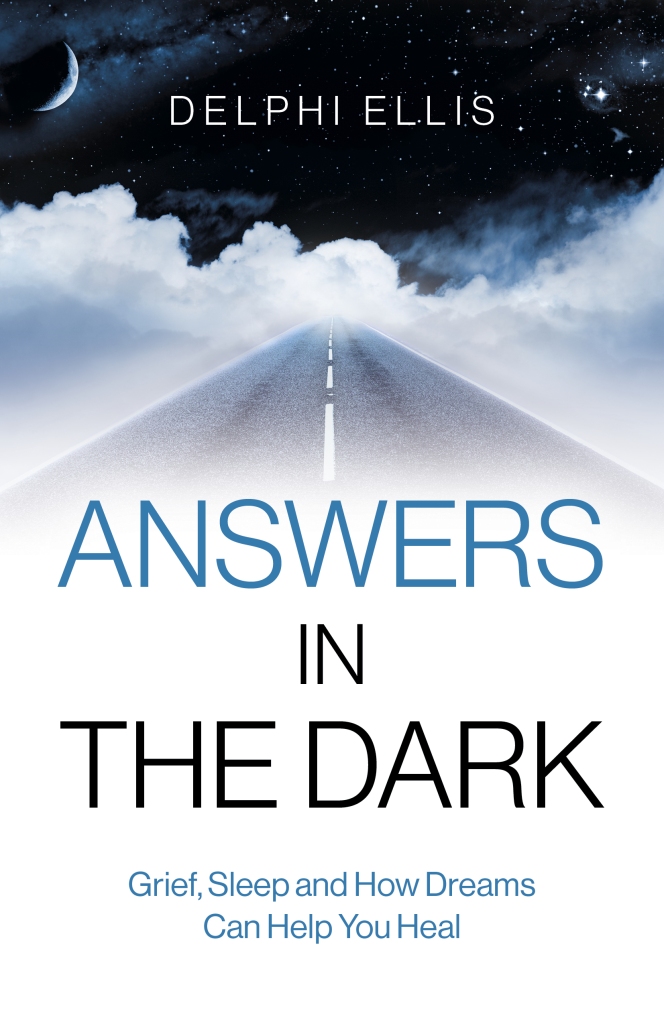
Delphi is the author of Answers In The Dark: Grief, Sleep and How Dreams Can Help You Heal, out now on Amazon and Hive. The Dreams Maven™ is part of the Helping You Sparkle™ portfolio. You might also like Monday Mojo™.
Out Now
The 4 am Mystery: That’s an actual thing by the way. Even before a global health crisis, people found themselves awake in the middle of the night. Answers In The Dark aims to join the dots between sleep, dreams and our mental health, specifically how grief shows up, even if no one has died.
It explores some of the Big Myths of sleep, offers a Sleep Cycle Repair Kit and tips on how to decode your own dreams. Out now on Amazon and Hive.
#1 Best Seller on Amazon for its category.
© Delphi Ellis All rights reserved 2024; an older version of this article features here.


3 thoughts on “What are Dreams (and Why Do They Matter?)”
Comments are closed.