
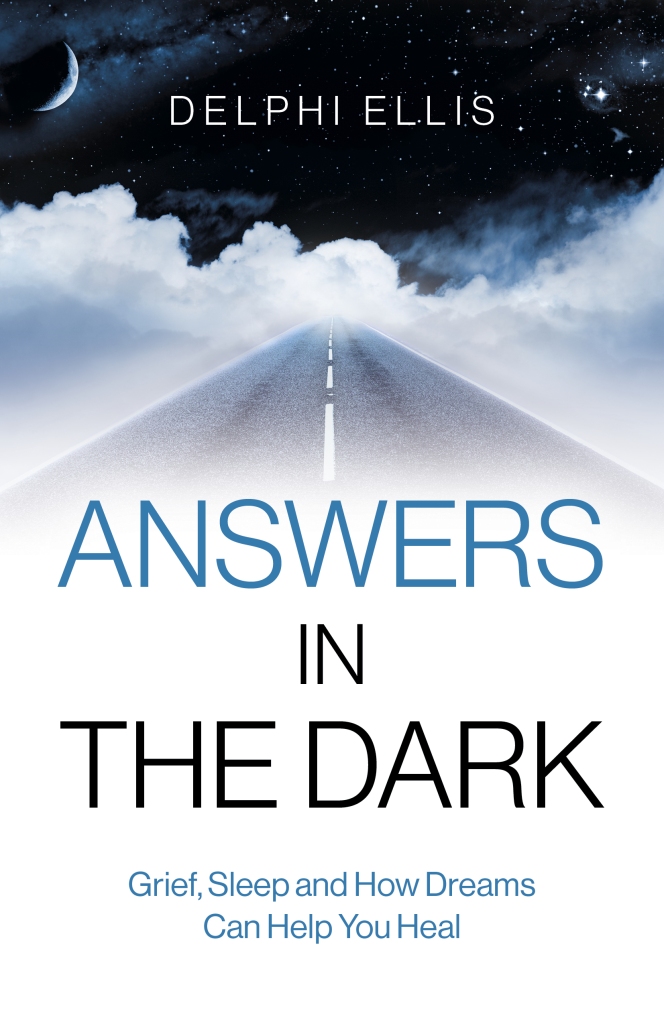
This topic also features in my book Answers In The Dark: Grief, Sleep and How Dreams Can Help You Heal.
If you’ve noticed that your stomach sinks the night before you go back to work, you may have experienced what’s sometimes known as Sunday Night Syndrome (or as Stylist calls it the Sunday Scaries) – it can apply to people working split shifts too – say four on four off – on the night before you go back after rest days. (so more accurately it’s probably best known as “the-night-before-you-go-back-to-work” effect).
Even if you love your job, you might still find that Sunday or “the night before” brings with it a sense of uncertainty. People I speak with will often tell me they’ll check their work emails on a Sunday night or their final night off, so as to “get in front” of the week ahead (though they almost always tell me, they usually instantly regret it).
So, if you’re someone who finds that Sunday night – or the day before you start your next shift – gets in the way of your sleep, these top tips might help:

1) Acknowledge Your Thoughts
Thoughts and feelings can get in the way of our sleep; we also know that bottled up emotions can lead to burnout. As soon as you notice thoughts swirling round your head, or feelings affecting your ability to sleep, acknowledge they’re there. Some people think it’s counter intuitive to put the spotlight on feelings, but the reality is they’re there anyway, whether you notice them and give them a name, or not.
Once you know what’s troubling you, you can learn to manage your mind in a positive way. (There are a number of mindfulness activities in Answers In The Dark.)
If it’s worries about the week ahead, write them down at home to deal with at work, recognising there’s probably little more you can do until you get there. Then notice your breath moving in and out of your body – use your breathing to help you relax your body and mind, and to help you focus on a better night’s sleep.
2) Talk about it
If work is genuinely getting in the way of you sleeping well at night, it’s important you let the people that matter know. Sunday Night Syndrome may be a sign of burnout – see image from Journey to Wellness below. Lack of sleep can affect your performance as well as take its toll on your physical and mental health; so it’s important to nip it in the bud before this happens.
Tell your boss what’s on your mind and what is contributing towards it, and see if they can help you come up with a plan that takes some of the anxiety away. If they’re not receptive, speak to HR, ask to speak to Occupational Health, or contact your Employee Assistance Programme if you have one.
Talk to family if they’re interrupting your sleep if you’re working shifts, or if you decide to take a power nap (see point 3). See your GP if feelings or worries are getting in the way of your health and wellbeing.

3) Fresh Air, Exercise and Naps!
If you’re not already active, the benefits of exercise have long been recognised as being able to facilitate better sleep, as well as being good for your body and mind. Go for a stroll during the day, or enjoy some time in nature. Don’t leave it too late in the day though, as exercise too close to bedtime can leave you feeling pumped, and unable to doze off.
Alternatively, grab a nap if you can: 20 minutes is the ultimate power nap time. If you can manage more, sleep for the full length of your sleep cycle (around 90 – 120 minutes). Avoid napping for just an hour though, as you might wake up right in the middle of deep sleep – with a headache, dry mouth and not knowing what year it is, genuinely known as the Hangover Effect.
4) Turn your to-dos into Ta-Dahs!
Catch up on your to-dos during the day, so that your mind isn’t racing at night once you’ve got into bed. If you have to check your emails (which I don’t recommend) then do it earlier in the day, rather than just before bed. Keep a pen and paper by your bed if you need to, so you can jot down anything that comes to mind and then leave it until the morning.
Having a routine can also help. For example, we know having a consistent go to bed / get up routine can also prevent Social Jet-Lag which can otherwise affect how refreshed you feel Monday morning.
5) And relax…
There are lots of ways you can prepare yourself for the week ahead, and set yourself up for a good night’s sleep. Mindfulness is just one way proven to help people sleep better, and I offer a whole Sleep Cycle Repair Kit in Answers In The Dark. Find what works for you. And remember, whatever the week throws at you, you can handle it.
Delphi is the author of Answers In The Dark: Grief, Sleep and How Dreams Can Help You Heal, out now on Amazon and Hive. The Dreams Maven™ is part of the Helping You Sparkle™ portfolio. You might also like Monday Mojo™.
Out Now
The 4 am Mystery: That’s an actual thing by the way. Even before a global health crisis, people found themselves awake in the middle of the night. Answers In The Dark aims to join the dots between sleep, dreams and our mental health, specifically how grief shows up, even if no one has died.
It explores some of the Big Myths of sleep, offers a Sleep Cycle Repair Kit and tips on how to decode your own dreams. Out now on Amazon and Hive.
#1 Best Seller on Amazon for its category.
©️ Delphi Ellis 2019, updated 2023. Please note this content may also appear elsewhere as promotional material for Answers In The Dark.
 The Dreams Maven™
You must be logged in to post a comment.